
Featured
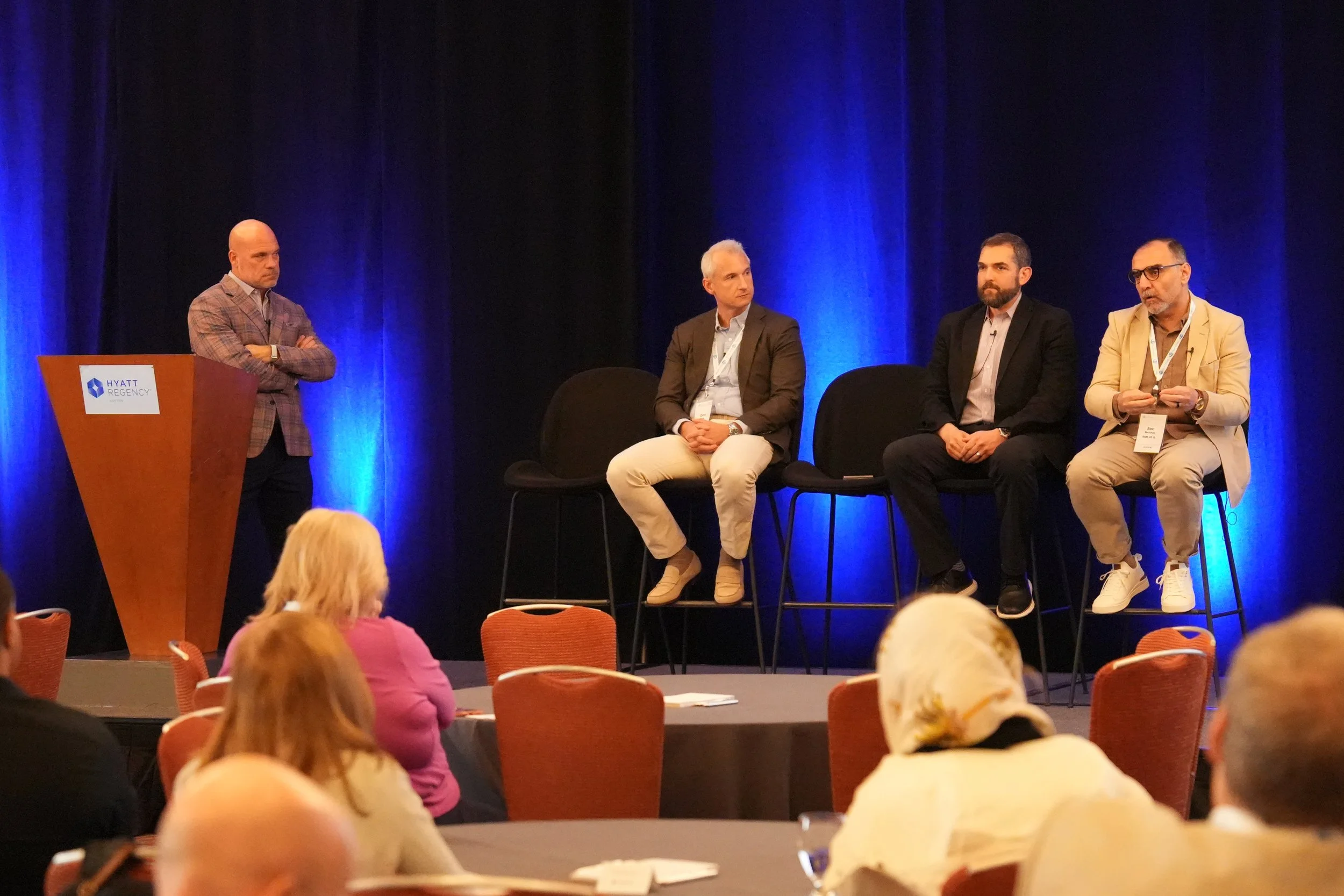
Blackbox Zero’s Chris Cook contributed two sessions at Opal Group's Compliance in the Age of AI conference in Boston — a panel on what real AI governance program capability actually requires, and a solo briefing on Shadow AI: how to surface AI operating outside formal oversight across network, spend, and behavioral signals.
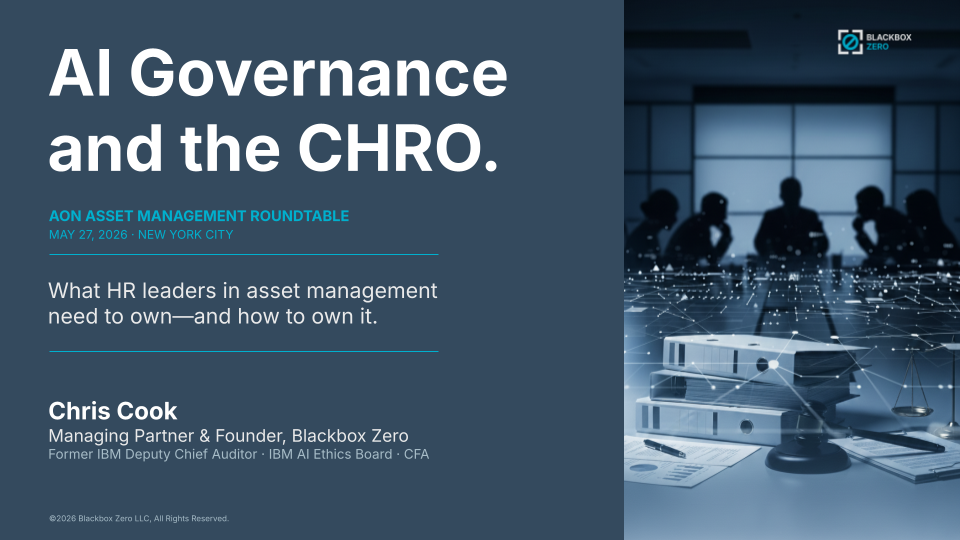
Aon convened this private roundtable for Chief Human Resources Officers across leading asset management firms to examine AI's growing impact on workforce governance and HR's strategic role. The session addressed the governance gap most HR leaders are currently sitting in: their firms have approved AI tools, but have not approved the specific use cases those tools are being applied to — and that distinction is where regulatory and legal liability lives.
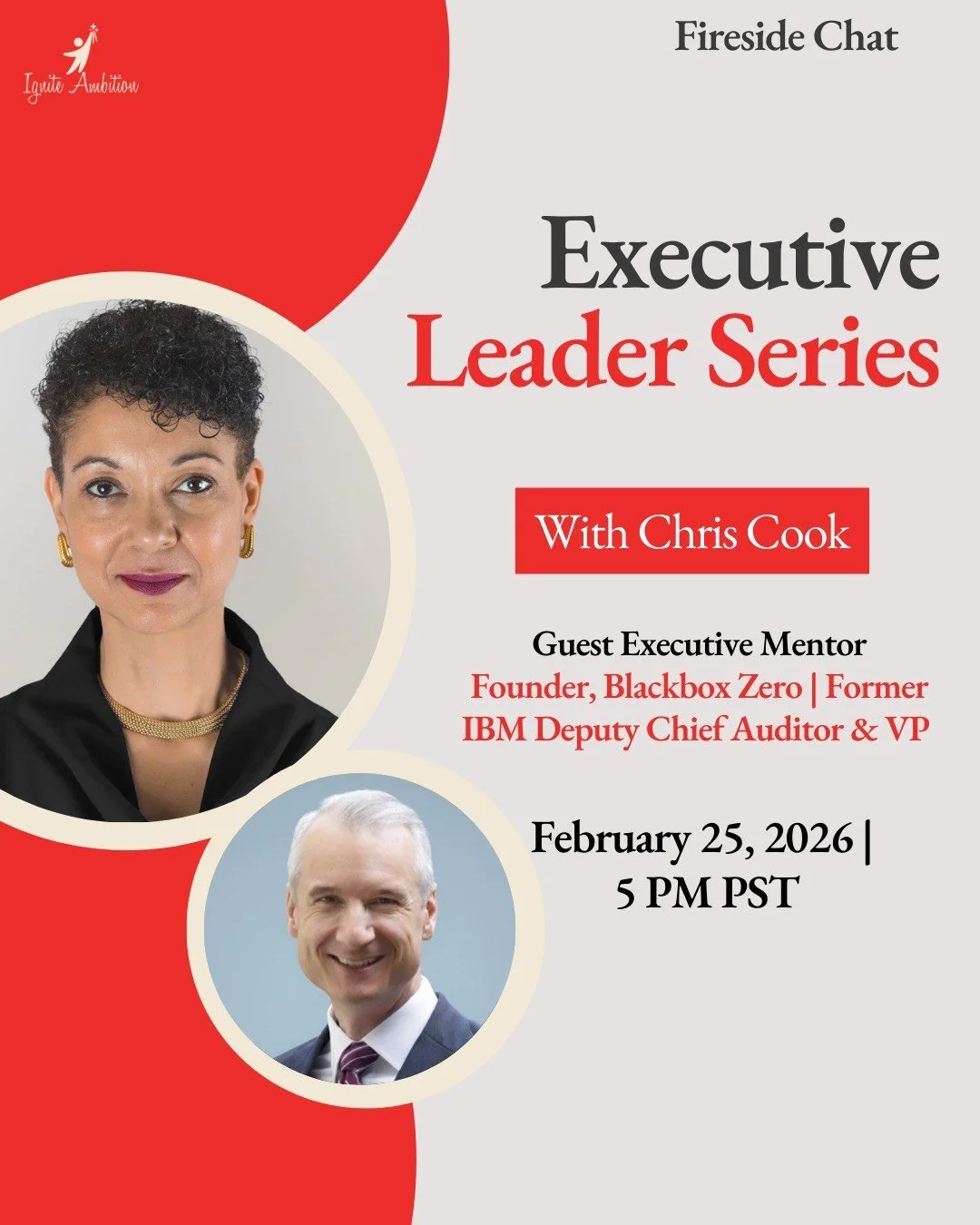
Shellye Archambeau built Ignite Ambition to close the mentorship gap for early and mid-career professionals facing consequential career decisions. This fireside chat covered career navigation, leading through complexity, and the transition from senior executive to founder — including why AI governance is the defining leadership competency of this decade.
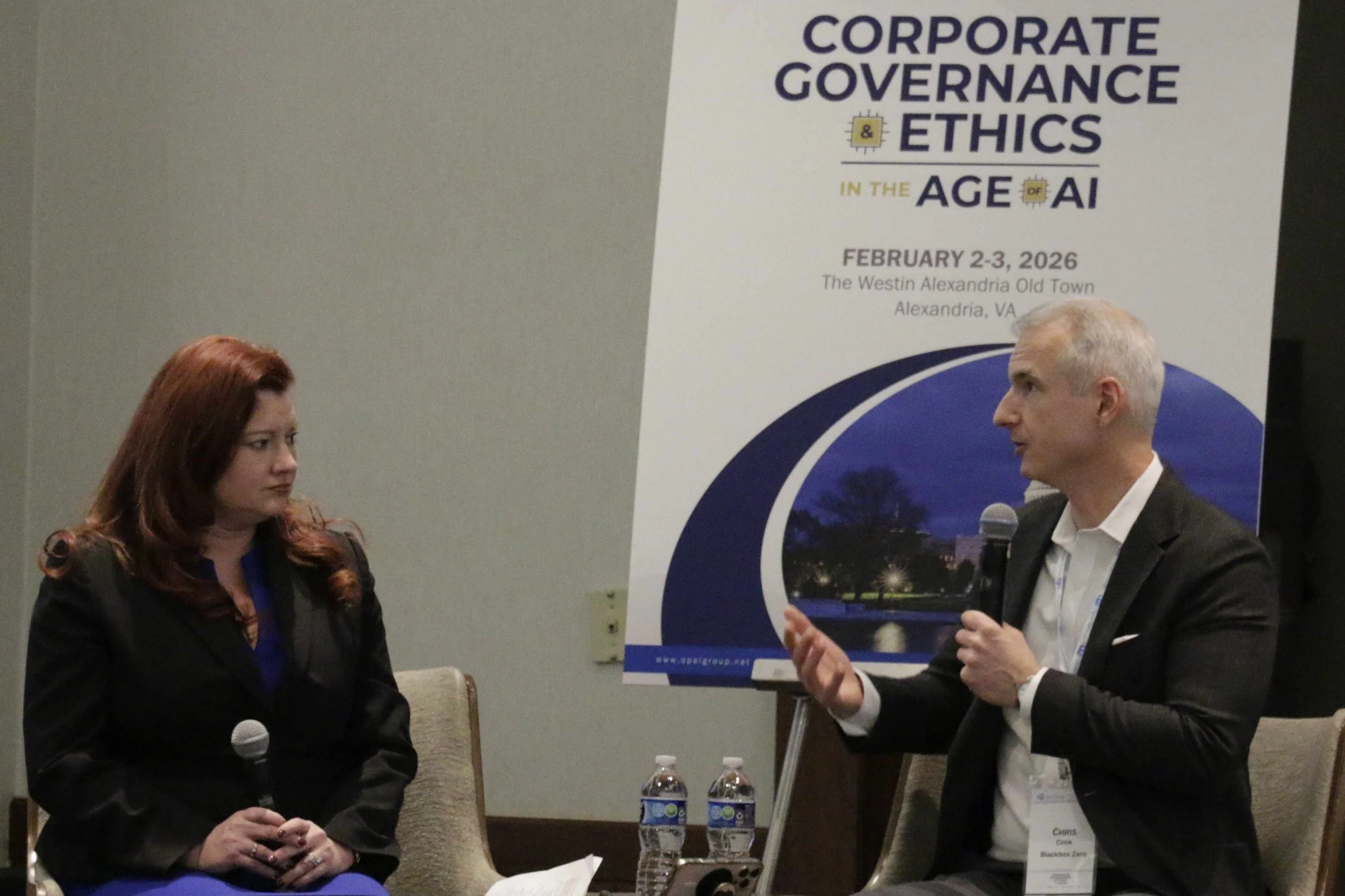
Most enterprises are still closing foundational governance gaps — but agentic AI is already moving into production, and tiered LLM-SLM architectures are next. Presented at the Corporate Governance & Ethics in the Age of AI conference, this session covers what boards and risk leaders need to prepare for before accountability diffuses across the model stack.
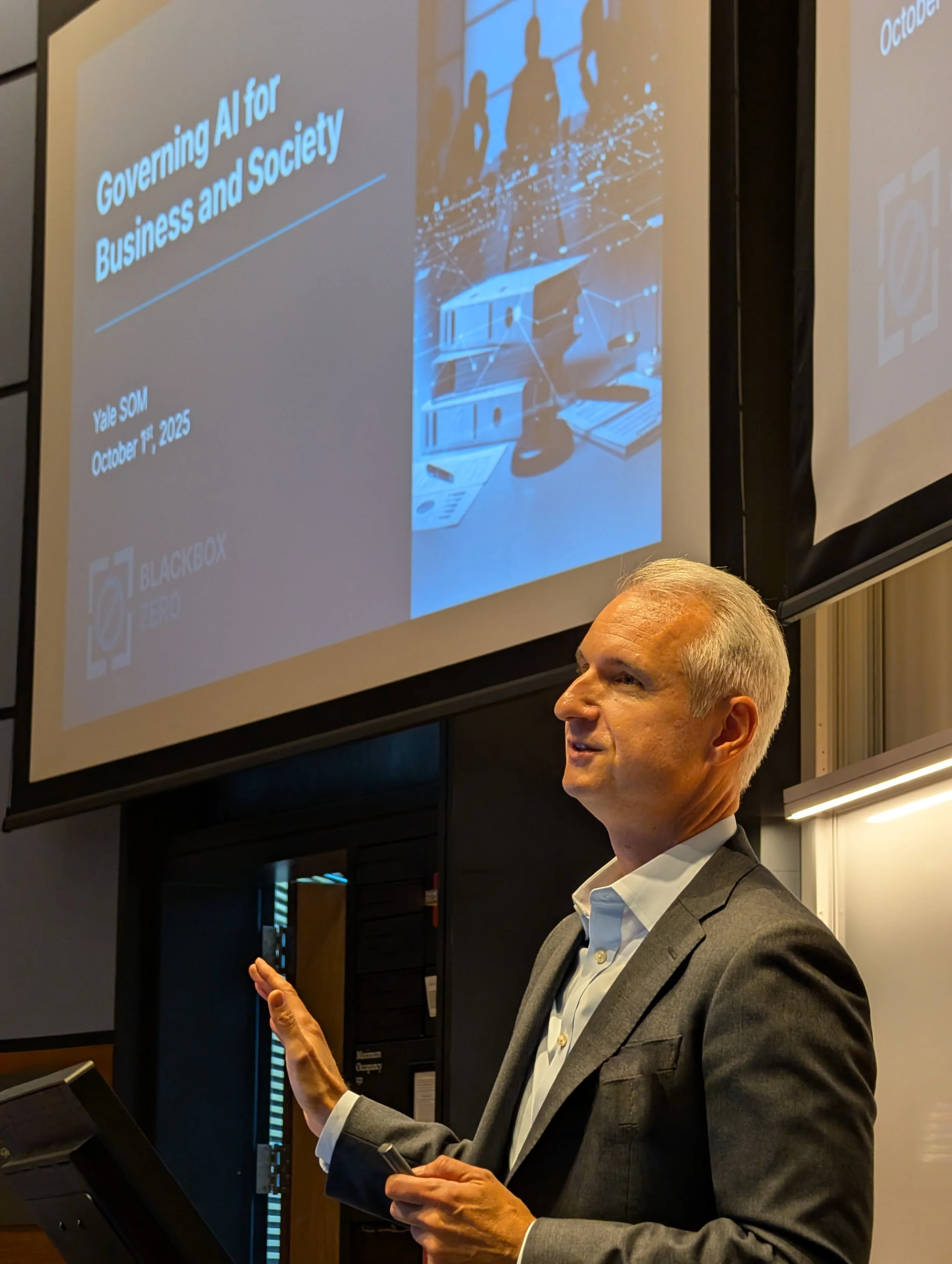
I presented at Yale School of Management on what actually works when AI moves from theory into regulated, high-stakes environments. The session covered the PRIME framework — a practical operating system for evaluating AI use cases, designing controls, and building the evidence trail that boards and regulators require.